Physical Address
304 North Cardinal St.
Dorchester Center, MA 02124
Physical Address
304 North Cardinal St.
Dorchester Center, MA 02124

Bollywood news, reviews, interviews & fashion
Bollywood news, reviews, interviews & fashion
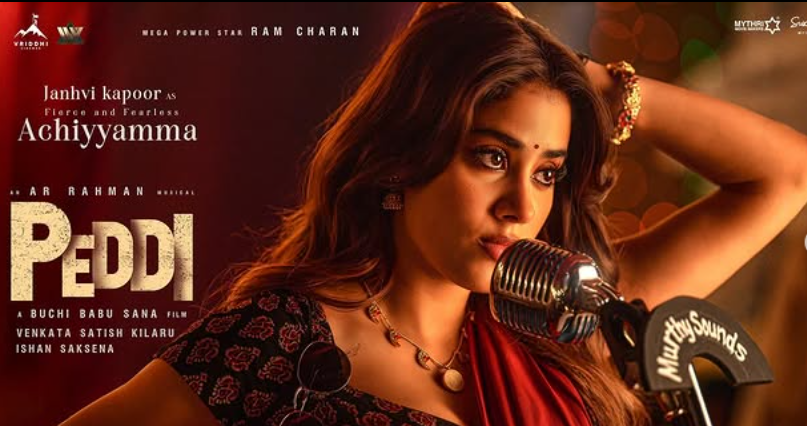
Director Buchi Babu Sana's apology over Janhvi Kapoor's portrayal in Peddi has reignited discussions about the treatment of female characters in mainstream cinema. While the filmmaker's response has been appreciated, the controversy raises important questions about representation in big-budget entertainers.
Director Buchi Babu Sana has apologised after facing intense backlash over the portrayal of Janhvi Kapoor’s character Achiyamma in Ram Charan’s blockbuster Peddi. While many have welcomed the filmmaker’s decision to acknowledge the criticism and promise changes, the controversy raises a larger question: Why do female characters in mainstream commercial cinema continue to be treated as afterthoughts?
For many viewers, the problem wasn’t merely that Janhvi Kapoor had limited screen time. The bigger issue was how her character was presented. Several audience members felt Achiyamma existed primarily to serve the male gaze rather than the story itself. Despite being one of the film’s leading stars, Janhvi was given little meaningful agency, depth or emotional significance.
To his credit, Buchi Babu Sana didn’t hide behind excuses. Instead, he publicly apologised and admitted that audience concerns were valid enough to warrant changes. In an era where filmmakers often dismiss criticism as “social media noise,” the director’s willingness to listen deserves appreciation.
However, the apology also highlights a worrying trend in big-ticket commercial entertainers. Time and again, filmmakers spend crores creating larger-than-life heroes while female leads are reduced to romantic interests, glamour additions or narrative accessories. Audiences today are far more aware of these outdated tropes than they were a decade ago.
What makes the Peddi controversy particularly interesting is that the criticism has come not from a fringe section of viewers but from the film’s own audience. Many people who genuinely enjoyed Ram Charan’s performance and the film’s commercial highs still felt uncomfortable with the treatment of Janhvi’s character. That distinction matters. This wasn’t outrage for the sake of outrage. It was disappointment from viewers who expected better.
The debate has become even more intriguing because of reports that Janhvi Kapoor herself briefly interacted with a social media post criticising Achiyamma’s portrayal. Whether intentional or accidental, the incident only fuelled speculation that even the actress may have been unhappy with how her character eventually shaped up on screen.
The larger takeaway from this episode is simple: audiences no longer accept token female characters in big-budget films just because the hero’s journey is entertaining. The standards have changed. Viewers want female characters who matter, contribute and leave an impact beyond songs and glamour shots.
Buchi Babu Sana deserves credit for apologising. But apologies should not become the industry’s solution every time audiences point out a problem that could have been avoided during the writing stage itself. The real lesson from Peddi is that filmmakers need to stop treating female characters as decorative elements and start treating them as people.
Because in 2026, audiences are not just watching the hero anymore. They’re watching everything.