Physical Address
304 North Cardinal St.
Dorchester Center, MA 02124
Physical Address
304 North Cardinal St.
Dorchester Center, MA 02124

Bollywood news, reviews, interviews & fashion
Bollywood news, reviews, interviews & fashion

Varun Dhawan’s “director ki jeet” remark on Dhurandhar sparks a bigger question for Bollywood: who really owns a hit—the filmmaker with the vision or the star with the spotlight?
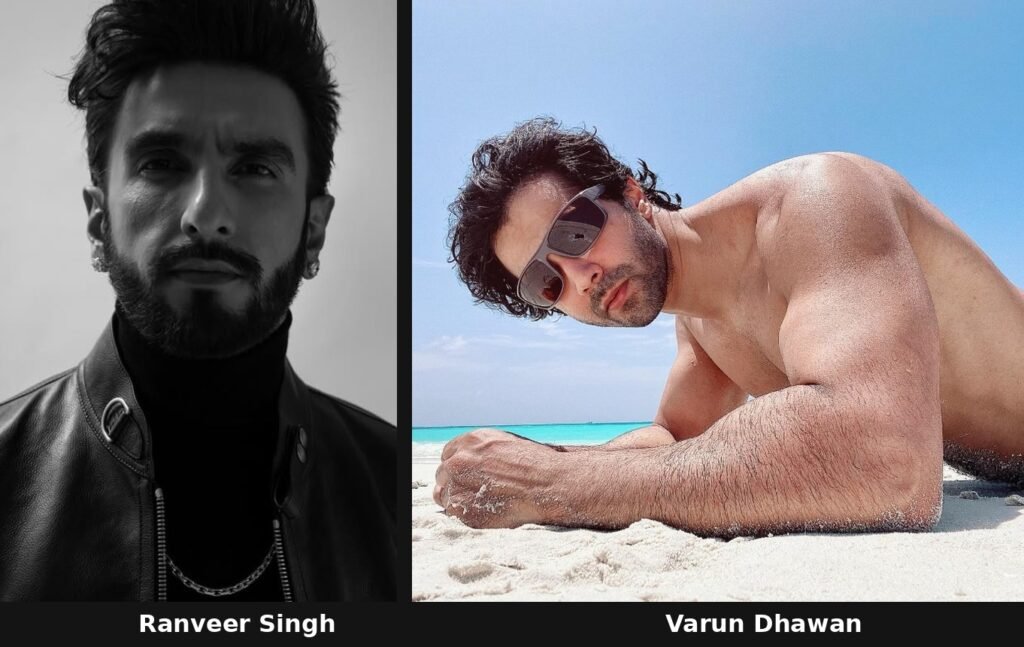
When Varun Dhawan praised Dhurandhar as “Aditya Dhar ki jeet,” he was clearly trying to spotlight the director in an industry that still overwhelmingly celebrates the star first. Framed alongside his father David Dhawan’s old‑school reminder that “actors ka zyada haath hota hai,” the exchange felt like two generations debating who carries a film.
The problem wasn’t the praise itself—it was the timing and the film in question. Dhurandhar is one of the most intensely discussed projects of the season and a crucial film for Ranveer Singh’s current career graph, so any comment that seems to shift credit away from him was bound to hit a raw nerve with his fandom.
For Ranveer’s fans, Dhurandhar isn’t just another release—it’s a statement that he can still anchor a large‑scale, conversation‑dominating film after a period of mixed box‑office results and constant scrutiny. In that context, calling the film primarily the director’s win feels, to them, like quietly downplaying the star they believe carried the emotional and commercial weight of the project.
Their reaction is less about Varun personally and more about a broader anxiety: that when a film led by their favourite finally works, the narrative will suddenly shift to “content,” “vision” and “direction,” instead of acknowledging his performance as central to the success.
Seen neutrally, Varun is articulating something many insiders feel but rarely say out loud: some big mainstream films today are driven as much—if not more—by the director’s world‑building and storytelling choices as by the star’s presence. Highlighting Aditya Dhar’s contribution is, in that sense, a healthy correction in a star‑obsessed ecosystem.
There’s also an honest self‑awareness in the conversation: Varun openly admits actors are insecure, and David Dhawan jokes about how actors think of their own benefit first. That candour actually humanises Varun rather than making him look petty; he comes across as a star who understands both the privilege and paranoia built into the job.
The simplest way to defuse the discourse is also the most accurate: Dhurandhar works because Aditya Dhar’s vision and Ranveer Singh’s performance meet in the middle.
To call it only a “director’s film” is incomplete. To call it only a “star vehicle” is equally lazy. The film exists in that rare space where both are undeniably essential.
Rather than turning this into “Varun vs Ranveer,” it’s more interesting—and more honest—to see this as a mirror held up to Bollywood:
Varun’s comment sits exactly at this crossroads. He is trying to push the conversation toward respecting directors more, but he’s doing it around a film where the lead actor’s contribution is also huge and heavily protected by fans.